What is biomethane?
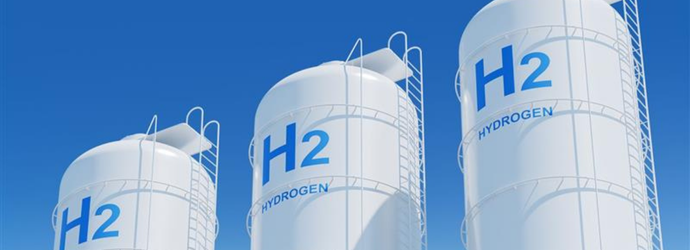
For those who remember school science lessons, you’ll know hydrogen as the first element on the periodic table. Hydrogen itself is never found on its own, rather as part of more complex molecules, like water.
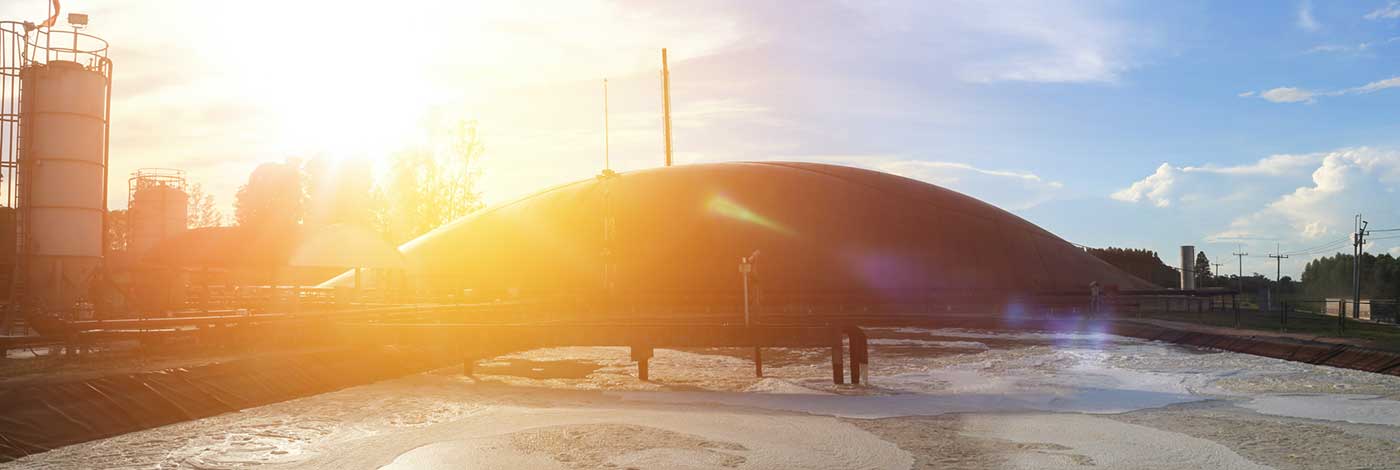
Biogas and biomethane are in equal parts the same and very different. Biogas is the combination of methane and carbon dioxide that’s produced by the breakdown of organic matter and anaerobic digestion, such as plant material, manure, sewage and much more. It’s chemically identical to fossil gas, thanks to it being a product of the same matter, just created in a different way.
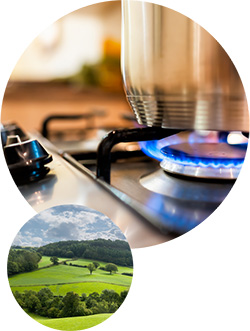
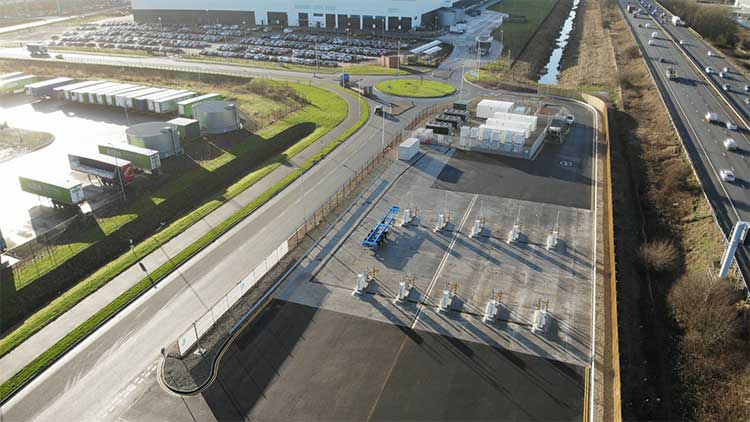
Biomethane is the result of the treatment and purification of biogas, this allows it to be used as a fuel that can be transported to homes and be used for heating, cooking and all of the same uses as fossil gas. Thanks to its similarities to fossil gas, biomethane can be transported using the same gas infrastructure that we use to transport fossil gas.
We’ve been involved in transitioning to biomethane for several years now and it’s great to see others sharing the excitement about this low carbon gas. We’ve listed some of the main advantages of biomethane below:
Thanks to its similarity to fossil gas, biomethane can be transported using the existing gas infrastructure. This means that we can transport biomethane to your home with no extra costs incurred from pipelines or other infrastructure – we’re all set to get started.
Production of biogas is totally natural, given it’s a by-product of organic matter waste. Not only that, but it also takes something that would usually be a waste product and makes use of it. The gas extraction process doesn’t involve the release of any toxic gases into the atmosphere.
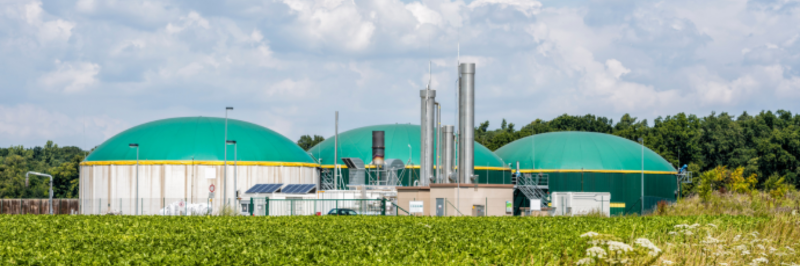
Thanks to the nature of the waste from which biomethane and biogas come from, it’s completely renewable. Many biomethane production plants are based on farms, where this type of waste matter is produced in huge amounts on a daily basis.
When methane is burned, harmful gases are usually released into the atmosphere through exposure to air from furnace chimneys. The biomethane production process is completely enclosed and ‘airless’, this means that the organic matter is never exposed, and harmful gases are prevented from escaping into the atmosphere. Even if this matter wasn’t burned, it would otherwise be left to rot on agricultural land, which also releases harmful gases.
The process of methanisation means that more waste can be recovered on agricultural sites and therefore there is a reduction in the need for chemical fertilisers. This means natural nutrients are returned to the soil, farming can remain organic and the emissions caused from the import of chemical fertilisers can be avoided.
It’s no secret that the agriculture industry has had a difficult time in recent years, and diversification has become vital for many farmers to remain in business. Getting involved in the production of biomethane presents an opportunity for farmers to diversify and find alternative revenue streams, all whilst utilising the waste created on their farm. There are even tractors than run on biomethane now so that’s a great way to use energy from waste.