

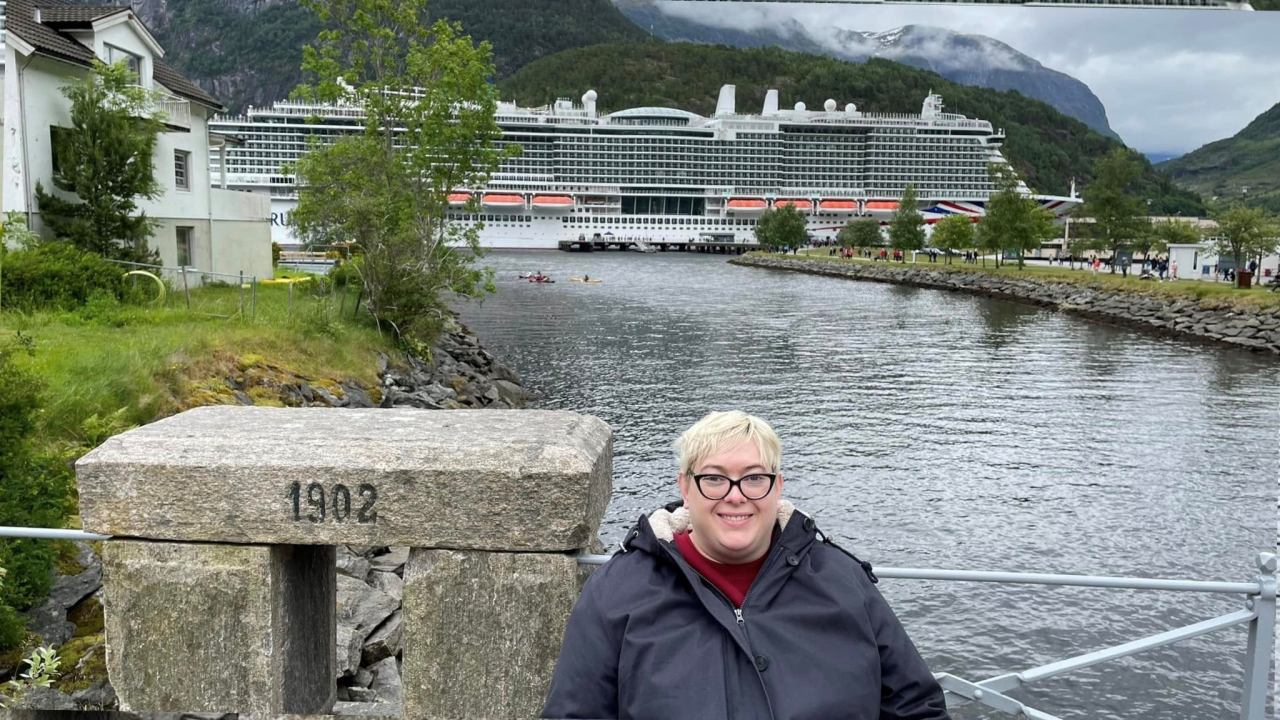
This Purple Tuesday, I’m reflecting on the importance of accessibility - not just as a concept, but as a lived experience.
Today (4th Nov) is my 21st anniversary of starting work at Cadent. I’ve progressed through four promotions to my current role as a Network Asset Engineer in the East Midlands.
But my journey hasn’t just been about career growth. It’s also been shaped by my experience of disability.
At 14, I was diagnosed with Charcot Marie Tooth disease, a progressive hereditary condition that affects the peripheral nerves.
By 15, I was a full-time wheelchair user.
There’s currently no cure or treatment for CMT, and over the past 25 years, it has increasingly impacted my ability to carry out everyday tasks like dressing or eating independently.
Despite these challenges, I’ve built a fulfilling career and life.
But as a customer – whether that’s shopping, dining out, or attending events – I still encounter barriers that make me feel like an afterthought. And I know I’m not alone.

Here are just a few examples of the issues I regularly face:

The good news? These barriers are avoidable.
Here are a few ways brands can make a real difference:
One organisation that gets it right is Leicester City Football Club, where I’m a proud season ticket holder. Their Disabled Supporters Association, founded in 1997, works closely with the club to ensure fans with disabilities are treated with dignity and have equal access to facilities. My experience with them has been consistently positive and it shows what’s possible when accessibility is prioritised.
Purple Tuesday is a reminder that accessibility isn’t a ‘nice to have’ – it’s a necessity. It’s about dignity, independence, and equal opportunity. And it’s not just the right thing to do – it’s good business.
Let’s move beyond compliance and start designing experiences that truly include everyone.
Cadent is the UK’s largest gas distribution network with a 200-year legacy. We are in a unique position to build on strong foundations whilst encouraging the curiosity to think differently and the courage to embrace change. Day to day we continue to operate, maintain and innovate the UK’s largest gas network, transporting gas safely and protecting people in an emergency. Our skilled engineers and specialists remain committed to the communities we serve, working day and night to ensure gas reaches 11 million homes from Cumbria to North London and the Welsh Borders to East Anglia, to keep your energy flowing.
Here at Cadent we support the Government’s plans to reach Net Zero by 2050. That means we’re backing the introduction of hydrogen as a low carbon alternative to natural gas for the future. We know people love the controllability of gas and, with our network already in place, it makes sense to switch to the lower carbon alternative offered by hydrogen, which we believe can keep homes and businesses warm for generations to come.
Cadent manages the national gas emergency service free phone line on behalf of the gas industry - 0800 111 999*
Cadent Gas Ltd is owned by a consortium of global investors.
*All calls are recorded and may be monitored.
.png?language=en)
In Critical National Infrastructure, the conversation about AI is fundamentally different. It’s not about replacing people. It’s about how we use technology to better support them.

This week is Mental Health Awareness Week and the theme is simple: to take action in supporting good mental health.

Through our Pride at Work community and colleague networks, we’re creating safe spaces, driving allyship and championing equality every day.

During Mental Health Awareness Week, we’re reinforcing the importance of community, open conversations and workplace support to help colleagues thrive.

Progress has been made, but there’s more to do. We’re committed to creating a workplace where women can succeed and feel supported at every stage of their careers.
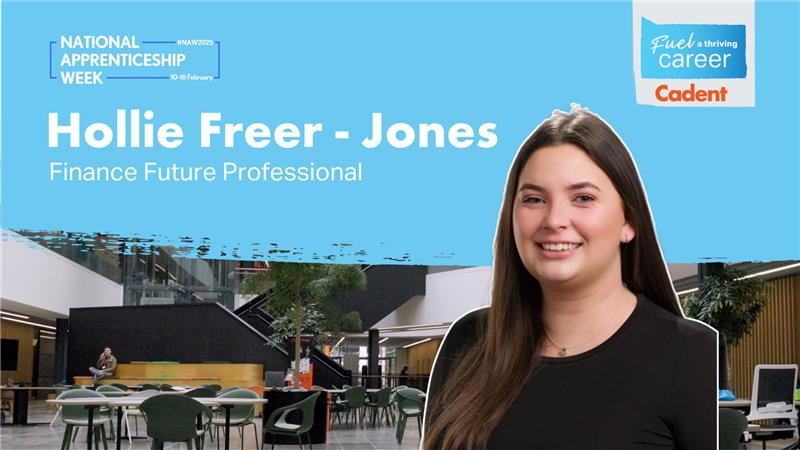
Hollie is gaining hands-on experience across finance teams while studying for her ACCA — building skills and confidence through our Future Professional Programme.
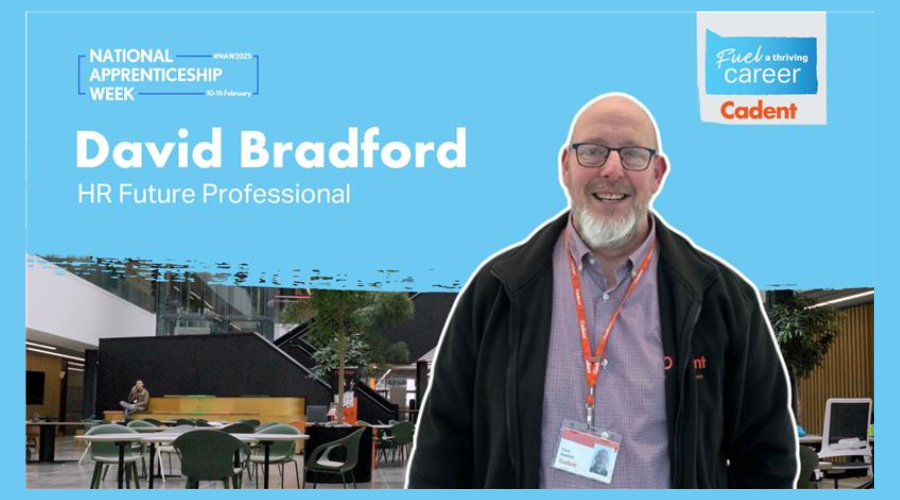
David is proving it’s never too late to learn — starting an HR apprenticeship after 14 years at Cadent to build new skills and shape his future career.
Cadent's response to the findings of the Savanta research that explores consumer views on the potential technological options and changes that lie ahead for domestic heating on the path to net zero.

We believe that inclusion is more than a goal- For us, it is not just a corporate policy; it is a core part of our culture that is embedded in every aspect of our business.

We’re committed to fostering an inclusive and diverse workplace where everyone feels valued and respected. This commitment is especially significant as we celebrate Pride Month.

As an organisation providing a vital service to millions of households across the UK, we are keen to be seen as a force for good within the communities we serve.
Share article:


Or copy this link:

Ask Hugo
Your virtual assistant for gas network queries on Cadent AI-powered by Cadent